Single Paradiddle
How to use the rudiment metronome
Pick a rudiment from the dropdown, organized into the four PAS rudiment families: Roll, Diddle, Flam, and Drag. Each one is clicked back at the correct sticking, with the right hand (R) and left hand (L) played as two distinct pitches so you can hear the pattern, not just see it.
Set your BPM and click "Start". The row of letters shows the sticking for the whole pattern, with accented notes shown darker and the current note flashing as it plays. Flams and drags show a small grace-note letter before the main hand that plays it.
Turn off Show sticking if you want to test yourself on the pattern by ear before checking the letters.
As with any rudiment, start slow and focus on evenness between the accented and unaccented notes (and, for flams and drags, a tight gap between the grace notes and the main note) before gradually increasing the tempo.
Other free tools
Latest from the blog
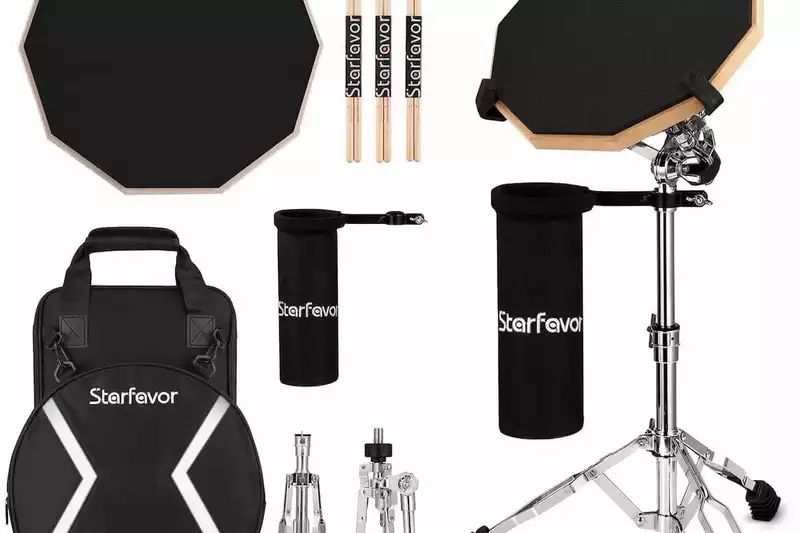
Best Drum Practice Pads for Beginners: Top 8 Picks in 2023

Drum practice pads are a crucial tool for beginner drummers. They allow drummers to practice their skills without the need for a full drum set,... Read more »

How to Practice Drums Without a Drum Set: Improve Your Skills at Home
Learning to play drums can be an exciting and fulfilling journey, but not everyone has access to a drum set. Fortunately, there are several ways... Read more »
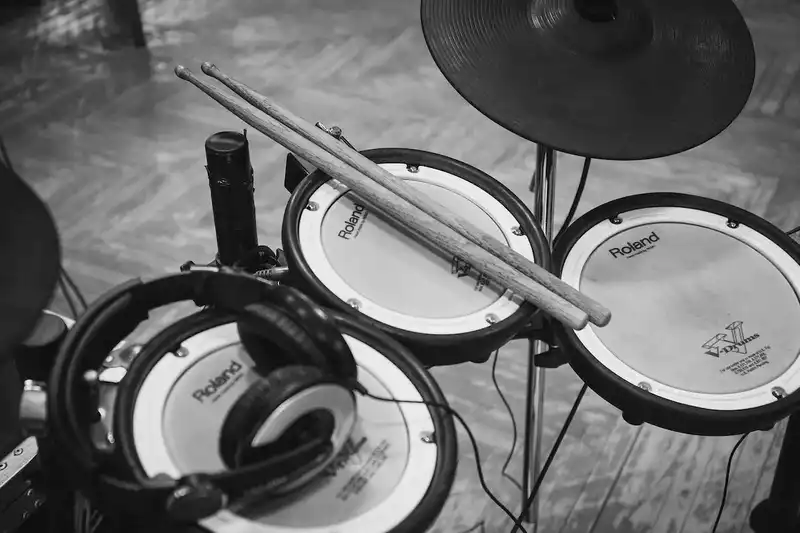
Electronic Drums: Pros & Cons You Need To Know Before Buying

The art of drumming has evolved over the years. Technological advancements have revolutionized the industry with electronic drums being one of the most notable milestones.... Read more »

Top 10 Things Beginner Drummers Should Practice

We live in an amazing time, where you can find information on just about anything in seconds. For a beginner drummer, this is both a... Read more »
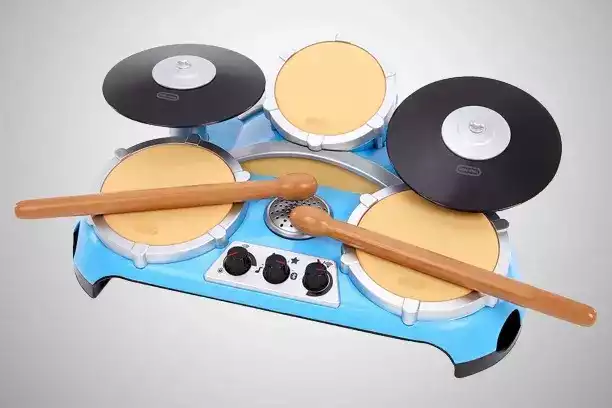
Best Drums For Toddlers: Wood, Electronic And Hand Drums
It is never too early to introduce a child to music and the numerous positive effects that come along with it. Musical instruments can play... Read more »

Are Acrylic Drums Right For You? Pros And Cons Explained
While the acrylic material may make for great looking drums, is it worth using? Acrylic drums are great for certain types of music with their... Read more »